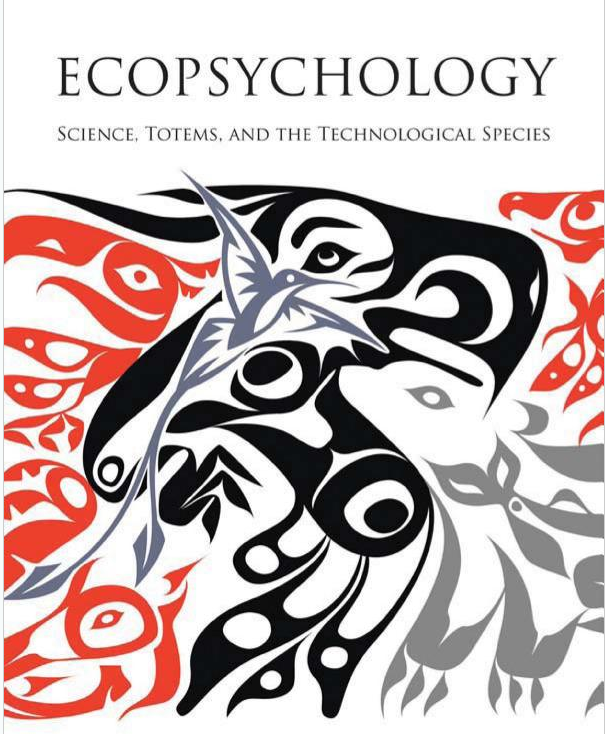
A Review of Peter H. Kahn, Jr., and Patricia H. Hasback. Ecopsychology: Science, Totems, and the Technological Species, by John Scull, Ph.D.
John’s review begins:
“There is a confusing tangle of words about the several psychological disciplines related to the environment – environmental psychology, ecological psychology, conservation psychology, human ecology. It is not just confusing for outsiders: When communicating among themselves, psychologists need to explain what they mean because different writers have used these words in different ways. These diverse fields all have one common feature; they are in the mainstream of academic social psychology. They all privilege experiments and other controlled quantitative research over qualitative research and they elevate all kinds of research above anecdotal evidence, clinical experience, opinion, narrative, and philosophy.
Ecopsychology has come from different traditions. The diverse pioneers in the field arrived at ecopsychology from humanistic and transpersonal psychology, experiential environmental education, scientific ecology, systems thinking, and deep ecology. As a result, the field has been much more interdisciplinary than the inclusion of “psychology” in the coined word suggests.”
Download this pdf for the rest …


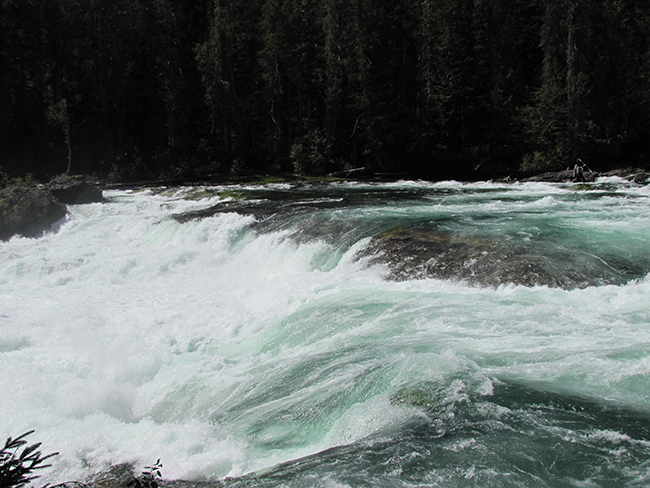 John Scull, one of the key co-founders of this Journal and ICE (the International Community for Ecopsychology), posted an ode to waterfalls – “the immensely powerful and beautiful shape water takes for a moment in its journey downstream” – on the ICE blog.